

Axiom Ax-4 Mission 4 to Launch 60+ Space Experiments
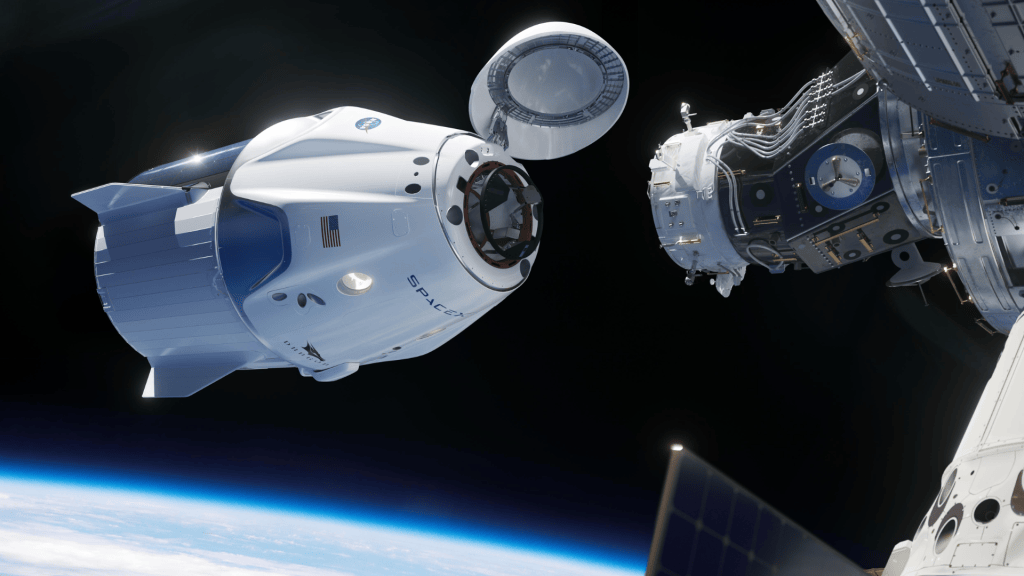
Axiom Space is preparing for its biggest mission yet – Axiom Mission 4 (Ax-4), which is traveling to the International Space Station (ISS), this June. What makes this mission unique? It will carry more than 60 science experiments from over 31 countries, making it the most research-filled private spaceflight that Axiom has launched to date. It will launch from NASA’s Kennedy Space Center on June 10, 2025, on a SpaceX Falcon 9 rocket.
The Ax-4 crew includes some impressive human beings: Peggy Whitson, a former NASA astronaut and Ax-4 commander Shubhanshu Shukla of India Sławosz Uznański-Wiśniewski of Poland Tibor Kapu of Hungary The Ax-4 crew will be living and working on the ISS for about two weeks, doing life-changing science in microgravity. One particularly notable study will test whether people with insulin-dependent diabetes can fly in space. This study will be special because it will be the first time astronauts with diabetes will track their glucose levels in space using state-of-the-art sensors. If successful, this could open the door for more individuals to participate in future space missions.
Another research study will investigate wearable biometrics using the Oura Ring, a smart ring that tracks heart rate and sleep. The interest in tracking astronauts’ physical performance in visceral time aligns with Oura’s usability, as learning to track this data can positively impact health and productivity on missions and for difficult jobs on Earth.
The Sanford Stem Cell Institute will pursue previous space cancer research by growing tumor cells in microgravity. The researchers will look for early signs of cancer and for various aggressive types of cancer (for example, triple-negative breast cancer), with some evaluation of treatment. Expect breakthroughs in cancer research to follow from this study. Hungary’s space program HUNOR is also contributing two resurrection studies. One study looks at how astronauts’ perception and orientation change in space, which could affect astronauts’ mental health and/or task performance throughout the duration of the mission.
The second study looks at how plants grow and take in nutrients in space, which has significance for long-duration missions and possible sustainable farming on planet Earth. With this mission, Axiom occupies a crucial space for demonstrating how space should not be limited to astronauts but is opened as a venue for science that could affect billions of people on planet Earth.
____________________________________________________________________________________________________
Latest Stories
SavorEat’s Robot-Chef 2.0 Receives U.S. Safety Green Light
Bitzero Builds Clean, Scalable Data Centers for AI Future
Taiwan Mobile’s AI Ocean wins a global sustainability award