

AI-Driven Personalization in E-Commerce: The New Era of Hyper-Personalized Shopping Experiences
Stay updated with us
Sign up for our newsletter

Personalized shopping has shifted from a luxury reserved for exclusive boutiques to a normative expectation of any shopping channel. And, in 2025’s digital marketplace, artificial intelligence has made personalized shopping a reality. Imagine that each customer’s shopping experience is personalized to such a degree that they’ve come to believe the whole store has been designed just for them!
This shift is more than just a technological shift; it is a reimagining of the relationship between retailers and consumers. Previous e-commerce presented each visitor with the same storefront design to millions, while personalized experiences create millions of various storefronts for each context behind the screen. What has changed is not only how products are presented; the distribution of how we make shopping decisions has evolved, how brands grow loyalty has changed, and even how commerce itself works in a digitalized world has changed.
Understanding Customer Intent with AI

The driving force behind e-commerce personalization today lies in the ability of artificial intelligence to understand not just what customers are buying, but the “why” behind their purchase behavior. This is much more than looking at what a customer previously purchased; it touches upon many aspects of the myriad of factors that affect shopping behavior (seasonal reasons, lifestyle changes, social influences, or an emotional state).
Machines are now capable of analyzing hundreds of micro-signals during each shopping experience, such as scroll speed, product view time, and cycling through different product assortments, in more detail compared to ever before, to create profiles around individual shopping psychology.
These systems understand that the same customer will shop differently on a Monday morning versus a Friday evening, so they will tailor their engagement slightly differently based on this understanding.
Behavioural analysis has reached such a sophisticated level; AI systems will anticipate a customer’s needs before the customer has even realized the need. This equilibrium between predicting consumers’ behaviors often occurs before they can predict them themselves, enabling the AI to provide a higher level of personalization in the consumer engagement experience, rather than making their personalization reactive rather than proactive.
Creating Dynamic Shopping Experiences
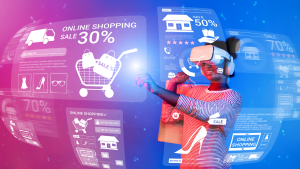
Personalization is now much more than just suggesting product picks. AI systems now actively generate individual custom homepages, navigation paths, and even modify HTML and CSS design structures to suit individual customer preferences and shopping contexts.
This personalization is mining customer shopping data in real time, creating complex real-time decision engines that look at many variables at the same time. What is the best colour palette, what is the best navigation hierarchy, and what is the best content hierarchy that aligns with the current corporate shopper intent?
This personalization also involves complex machine learning models that have been trained on very large datasets of user preferences and shopping habits. They learn every time somebody interacts, and their goal is to better understand what various customer segments and individual people connect with on the website.
Even visually, personalization has matured to the point where AI systems generate unique product images, different styles of photography, and even create completely unique edited and compiled video content for products and companies’ websites, embedding the interests and aesthetics of their customers.
Context-Aware Shopping Personalization

In the present moment, understanding context is crucial for effective personalization. AI systems take into account not only who the customer is, but when and where they are shopping, on what device, and what outside influences could affect the mind of the shopping customer.
Geographical context has become a major feature, as AI systems can dynamically alter product selections based on location, for example, incorporating local weather conditions, cultural events, or trending products in the region based on local market research. A customer browsing from a location that is experiencing unusually warm weather might have different product priorities when compared to someone browsing in a location experiencing typical seasonal weather.
Temporal context adds another level of sophistication, given that AI systems can recognize that shopping behavior is very different based on the time of day, day of week, or time of year. A customer browsing early in the morning might receive different content emphasis than a customer shopping late in the evening, given that a typical pattern of morning browsing is usually more about research and planning, while evening sessions may be more focused on entertainment and impulse purchases.
Device context is really understood across modern shopping AI systems, as all environments are accessible using portable devices. However, the traditional distinction of each device could signal the intention of shopping behavior across different devices. In particular, a mobile browsing session suggests that the shopper is likely shopping for convenience, whereas shopping from a desktop computer may indicate a more serious shopping intention requiring more intensive research.
Emotional AI in E-Commerce

The most sophisticated personalization intelligence systems are using emotional intelligence, recognizing that shopping is often driven by emotion and feeling, not just cognitive rationality. These systems are calibrated in various ways and utilize multiple signals to infer the emotional states of customers and tailor their interactions accordingly.
AI systems use sentiment analysis of customer communications, social media interactions, and even mortgage typing activity to identify times when customers may have been happy, excited, anxious, nostalgic, or aspirational. In determining states of mind, AI systems influence products recommended, the narrative and tone of messaging, and types of offers and promotions.
AI systems now have an advanced understanding of what different emotional states correlate with different shopping behaviors. For instance, when a customer expresses a measure of stress, the system could present them with products focused on issues of comfort and intentionally create calming visual and interactive options to engage with. When a customer demonstrates excitement, the AI system could present a range of products in a bold and adventurous manner.
The sophistication of emotional intelligence systems is compounding with learnings about using business intelligence to create insights for life transitions and milestone moments. AI systems can identify changes that signify a major life transition, like assuming a new relationship with a person or a job offer, or changes you may experience in mood or behavior because of seasonal transitions requiring thoughtfulness to adapt. AI-powered personalized systems are evolving in sophistication to create highly personalized options for users to move toward.
AI-Powered Shopping Assistants

The growth of conversational AI has impacted how customers utilize e-commerce. Customers are now interacting with intelligent assistants, who can understand complex, nuanced requests, compared to navigating category trees like those in traditional e-commerce.
These conversational systems have advanced beyond simple chatbots and can actually provide a sophisticated shopping assistant experience to customers. They not only understand broad, context-full queries like a person’s styling choices, but also weigh in on product comparisons across several criteria, recommend people-specific choices that match personal styling, budget, and business requirements, etc.
The sophistication of these systems enables natural language conversation that feels genuinely helpful (as opposed to sounding scripted). Customers can simply and directly describe their needs in their own words. They can ask follow-up questions and get responses back that show their individual situation and preferences are understood.
Advanced conversational systems can maintain context across many interactions and slowly build a relationship with the customer over time. These systems will remember past conversations with the customer, learn from recommendations they have previously given the customer, and develop a deeper, more nuanced understanding of customer style choices/preferences and communication style over time.
Predicting Customer Needs

The cutting edge of e-commerce personalization approaches systems that begin to look at customer needs prior to explicit recognition. This type of predictive system analyzes a multitude of data to find patterns that might indicate future needs or interests.
Life stage prediction has become particularly advanced, to the point that AI systems can detect subtle indications to predict that a customer is entering a life stage that might require a completely different product or service. The ability to detect predictive patterns that might indicate that a customer is about to become pregnant, make a career decision, or shift their lifestyle due to seasonal pressures (and therefore, alter their demand for the same product) can all be detected by the most advanced e-Commerce systems.
Another interesting advanced version of personalization is inventory-aware personalization, where AI systems consider supply chain factors such as seasonal availability and product life cycle (not just customer preferences) in assessing the effectiveness of personalized recommendations to maximize customer satisfaction while also satisfying corporate efficiency targets.
Regarding individual customer concerns, predictive systems are effective in determining the optimal time to communicate in various ways. Rather than ‘blast’ customers with messages that might ‘annoy’ customers, predictive systems identify consistent times in which the customer is responding to message types and/or product recommendations, while mitigating their anticipated frequency of contact message types is most effective.
Cross-Channel Personalization

The modern personalization of e-commerce lives and operates within linked ecosystems spanning multiple touchpoints and channels. Today’s AI systems facilitate coordinated personalization across email, social media, mobile apps, and physical retail stores, creating seamless and consistent experiences. Cross-channel intelligence ensures that a customer’s brand interaction on social media impacts their later experience on the e-commerce site; in turn, store purchases inform online recommendations, and email engagement affects website personalization.
This system sees buyer links surpass single deals to include constant contact across many settings and times. The AI tools handling these links keep full knowledge of the buyer’s likes at all points of contact.
Joining with outside data sources has grown the ability to make things personal beyond just first-hand talks. Weather details, nearby events, social trends, and economic indicators shape personalization choices, creating relevant and timely experiences for customers.
Real-Time Personalization

The pace of current personalization has reached levels where AI systems modify suggestions and content in real-time based on instant client actions. These small moment changes occur constantly during shopping times, creating very responsive and adaptive experiences.
Real-time personalization systems track consumer interactions at an unprecedented level of detail, dynamically tailoring content, layout, and recommendations based on immediate feedback signals. For example, if a consumer quickly scrolls past certain product categories, their presence in subsequent page loads will be diminished; conversely, products that receive attentive consideration will be accorded greater prominence.
Session-based learning allows AI systems to recognize and respond to changing intent within a single shopping session. A shopper who starts browsing in a relaxed manner may show growing purchase intent through patterns of behavior, and the system should then adapt its strategy from inspirational to conversion-oriented.
Dynamic promotion and pricing personalization is getting progressively more advanced, with AI systems able to deliver personalized offers based on real-time analysis of customer price sensitivity, purchase urgency, and competitive positioning.
Building Trust and Transparency

With advancing personalization, successful retailers have realized that it is essential to establish customer trust through adequate transparency regarding how personalization systems function. This means striking the right balance between algorithmic sophistication and customer comprehension.
Explainable AI methods enable customers to see the reason for certain recommendations, producing transparency that generates trust in the personalization system. Instead of giving recommendations as enigmatic algorithmic conclusions, sophisticated systems offer detailed explanations for their recommendations.
Privacy-conscious personalization has also become a key consideration, with AI systems being built to provide very personalized experiences while preserving customer privacy and data integrity. Methods such as federated learning and differential privacy allow for advanced personalization without the need to sacrifice individual privacy.
Customer control mechanisms allow individuals to understand and influence their personalization settings, providing transparency and agency over their shopping experience. These controls enable customers to adjust how much personalization they receive and in what areas they want it applied.
Conclusion: The Future of Personal Shopping

The development of AI-driven personalization in e-commerce is a big step toward truly personalized shopping experiences. We are now in an era of individual optimization, where each customer has a personalized experience, as opposed to the mass marketing era of demographic segmentation.
In addition to technology, this change encompasses new ways of interacting with customers that are founded on understanding, expectation, and real value creation. The most successful applications of AI personalization create experiences that are so valuable and relevant that customers actively seek out additional interactions with the company.
As these systems develop and AI-driven personalization produces smooth experiences across all customer touchpoints, the distinction between online and offline commerce will become increasingly hazy. Using AI to facilitate more meaningful, individualized human connections at scale is the way of the future for retail, eliminating the need to choose between AI and human service.
The next era of commerce will be defined by retailers who can strike a balance between retaining the human elements that foster emotional connections and leveraging AI to gain a deep understanding of their customers. In this future, shopping is not merely a transaction, but rather a customized exploration process ideally suited to the particular requirements, tastes, and goals of every person.
Latest Stories
AI in Cybersecurity: The Co-Evolution of Machine Learning and Cyber Threats
How Foundation Models Are Revolutionizing Machine Learning Development


