

Privileged Access Management: Securing Critical Systems and Data
Stay updated with us
Sign up for our newsletter

Cybersecurity threats are an ever-increasing development in today’s world, and priority should be given to securing critical systems of the organization. Privileged access refers to the access afforded to administrators, executives, IT personnel, and the like. It is necessary for operational efficiency and system management but also creates the potential for significant security gaps if not controlled. Therefore, balancing security and efficiency is very important for organizations that wish to safeguard sensitive data without compromising workflow productivity. This article analyzes privileged access, its challenges in management, and how best to balance security and efficiency.

The Importance of Privileged Access
Privileged access comprises elevated permissions given to users, applications, or systems in which access includes some sensitive information, administrative functions, or activities critical to a company’s business process. Such privileged users differ from normal users in that they can change the configuration, gain unauthorized outputs for restricted access data, and perform high-impact actions. That is why they are favorable targets for cybercriminals.
There are several reasons as to why proper management of privileged access is essential:
- To Protect Sensitive Data: Privileged accounts can lead to data breaches, regulatory compliance failures, and tarnished reputations for organizations.
- Prevents Insider Threats: Both malicious and negligent insiders pose threats. Where there is unrestricted access, it may lead to accidental or intentional leaks of data.
- It Prevents Threats from Cybersecurity: Privileged accounts are usually targets of the attackers who attempt to illegally gain control of the IT infrastructure owned by an organization.
- Compliances: In line with the above, privileged access control measures are mandated by laws such as GDPR, HIPAA, and SOX that put sanctions against organizations if found culpable of not implementing them.
Challenges Associated with Managing Privileged Access
Striking a balance between security and operational efficiency is much harder than it sounds. Some of the challenges that organizations face in enforcing implementation regarding privileged access include the following:
Overprivileged Accounts
Most organizations simply grant several privileges to users with the assumption that this will improve user efficiency. However, this practice itself creates greater security risks by widening the attack surface.
Password Fatigue and Poor Credential Management
It is difficult to manage and secure the privileged credentials manually. Many times passwords are weak, some users share passwords, and some even use default credentials, thus inviting the attacker to exploit such privileged accounts.
Lack of Visibility and Monitoring
With a lack of effective auditing and tracking mechanisms, unauthorized access or malicious activity may go unnoticed in privileged accounts in an organization.
Productivity Bottlenecks Due to Security Measures
These include measures such as multi-factor authentication (MFA) and frequent access reviews, which tend to slow down workflows and irritate the employee, who in turn seeks security, jeopardizing workarounds.
Compliance and Regulatory Complexities
To meet compliances, continuous monitoring, reporting, and access controls are required, which, without automated systems, remain difficult to maintain.

Best Practices in Security and Efficiency
Effective management of privileged access with operational efficiency requires a strategic approach by organizations for security best practices and business agility.
Principle of Least Privilege (PoLP)
According to PoLP, users, applications, and systems only receive the minimum level of access necessary to perform their tasks. Limiting the access rights reduces the insider threats and cyber-attacks against the organization.
Deploy Privileged Access Management (PAM) Solutions
PAM solutions automate privileged account management, ensuring strong authorization, password vaulting, session monitoring and auditing. These tools assist organizations with:
- Monitor and log privileged activities to detect anomalies.
- Automatically rotate privileged credentials to prevent misuse.
- Access can be granted as temporary, just-in-time, instead of granting the user permanent privileges.
Enforce Multi-factor authentication (MFA)
MFA adds an additional layer of security by requiring multiple forms of verification before granting access to privileged accounts. It reduces risks associated with unauthorized access because even if a password is compromised, it won’t be sufficient to allow unmonitored entrance into the account.
Audit Regularly and Review Privileged Access
Conduct access reviews periodically and ensure that permissions are duly granted. Access, which is not needed any longer, should be revoked and privileged sessions should be monitored for unusual behavior.
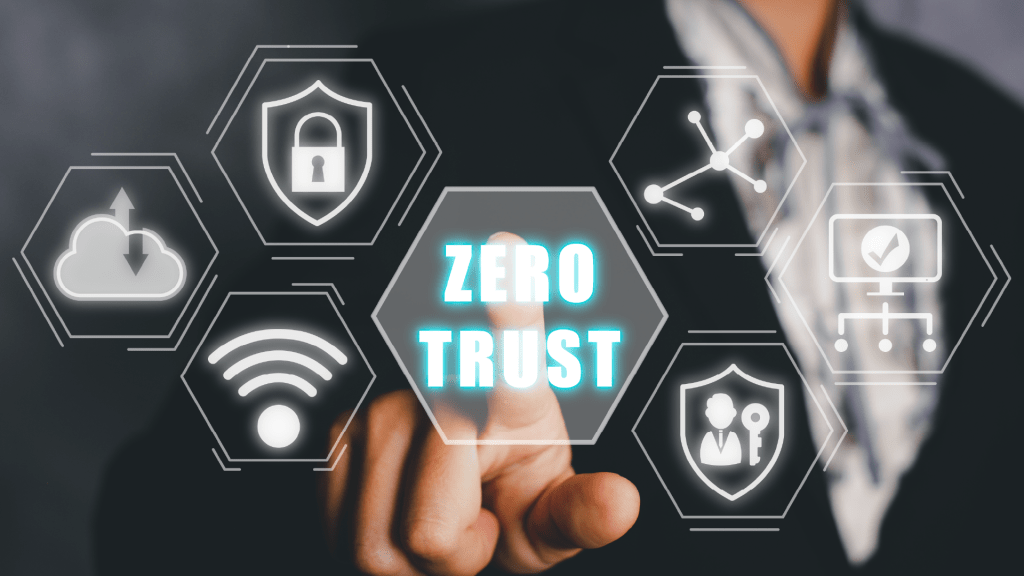
Adopt Zero Trust Security Framework
Zero Trust believes that no entity, either internal or external, can be trusted by default. All access requests should be verified using identity authentication, behavioral analytics, and least-privileged principles.
Educate and Train Employees on Security Best Practices
Human error has been the cause of major incidents of security breaches in the past. Cybersecurity training could provide important information on how to identify phishing attempts, avoid credential-sharing, and correctly use security protocols to ensure employees stay up to date on security best practices.
Automate Privileged Access Workflows
Automation can help streamline access request approvals, monitor sessions in real time, and trigger alerts for suspicious activity. Using automated workflows, organizations can cut down on the overhead administration and improve security.
Conclusion
Privileged access management often requires balancing strong security and smooth operational efficiency. Organizations exposing privileged accounts may face the consequences of massive data breaches, compliance violations, and reputational damage. Hence, businesses need to embrace measures such as least privilege access, PAM solutions, and zero-trust principles to base their practices on a security-first approach while keeping productivity in mind.
With threats evolving, the key to the future of successful organizations will be a proactive and automated approach to managing systems. Privileged access will also require added investment in appropriate technologies, policies, and employee training toward the changing cybersecurity landscape.
If you liked the blog explore this: Rising Threat of AI Cyberattacks: How B2B Marketers Can Safeguard Customer Data
Rising Threat of AI Cyberattacks: How B2B Marketers Can Safeguard Customer Data


